
The fountain goes quiet one morning. You order a new pump, drop it in, flip the switch, and something is off. Maybe the spray looks weak, maybe the unit will not fit, or maybe it dies again within a week. People who look up how to replace fountain pumps expect a quick fix, and most of the time that is what they get. A handful of small errors, though, turn a ten-minute job into a costly redo.
None of these mistakes are hard to avoid once you have seen them. So here are the five that come up most when people search how to replace fountain pump Link, along with the simple way around each. Get these right, and you do the swap once, not twice.
Matching the Wrong Numbers When You Replace a Fountain Pump
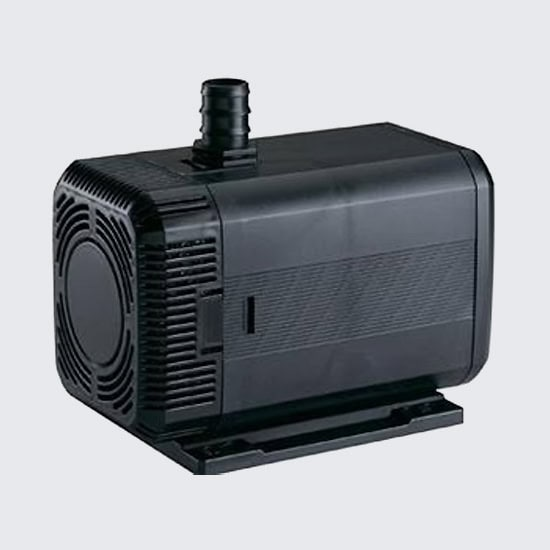
Most people grab a pump with the same horsepower as the old one, or the cheapest one that looks close. Horsepower is not the number that decides your spray, though. Flow rate, measured in gallons per hour, is the one that matters, and it has to match your real height.
Here is the catch. The GPH printed on the box is measured with the pump flat on the ground, lifting nothing. Once water has to climb into a spray, that number falls. A pump rated at 500 GPH at zero feet might push only 200 at five feet of height. Check the performance chart at your spray height and match the flow there, not the headline figure. If you cannot find the chart, measure how high you want the water to reach and ask the seller what the pump delivers at that lift. A minute of math now saves you a weak, disappointing spray later.
Ignoring the Outlet and Tubing Size
The new pump shows up, and the outlet does not fit your tubing or nozzle. It happens more than you would think. The discharge diameter has to match the tube you already have, or the flow rating no longer holds, and the fitting leaks or pops loose.
Measure the old pump’s outlet and your tubing before you order anything. One more thing people miss here. Some floating fountains use a pump built for that exact unit, matched to its float and housing. A generic replacement will not sit right in those. So check whether your fountain takes a standard pump at all before you assume any model will drop in.
Letting the New Fountain Pump Run Dry
This is the fastest way to kill a brand-new pump in its first hour. A submersible pump has to stay fully underwater while it runs. The water around it carries away the heat the motor makes. Take that away, and the motor cooks itself.
Run it dry, even for a short stretch, and the housing can warp or melt, and the pump fails for good. Before you power it up, confirm the water covers the unit and the basin sits at a proper level. Then watch the first run. Plenty of people plug in, walk off, and come back to a dead pump because the level had dropped lower than they thought.
See also: 8 Peptide Dose Calculators Worth Bookmarking Right Now
Replacing the Pump Without Finding What Killed the Last One
A pump rarely quits for no reason. Swap it without asking why the old one died, and the new one often goes the same way. A clogged intake, debris settled in the basin, a screen nobody cleaned, or a pump that ran too hard for its size all wear a motor out early.
So clean the basin and the lines, clear the screen, and ask whether the old pump was even the right size to start with. Skip that, and you pay for the same failure twice. This step is dull, I know, and a lot of people breeze past it. Then they wonder why pump number two lasted no longer than pump number one did. A few minutes spent on the cause is cheaper than another pump.
Skipping the Electrical Safety Step
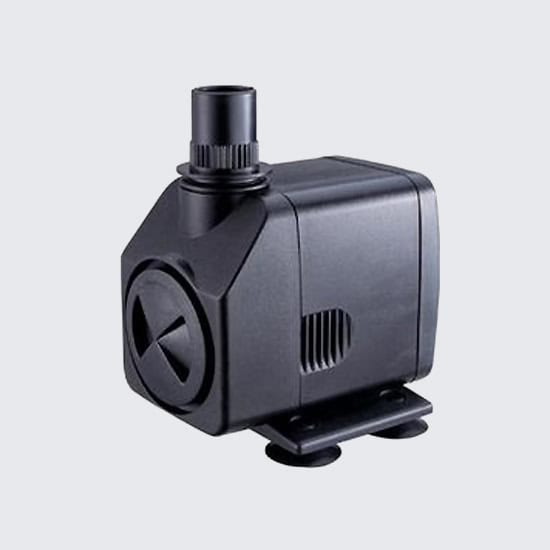
Water and electricity sit inches apart in a fountain, which makes this one matter more than the spray ever will. An outdoor fountain pump should run on a GFCI-protected outlet, full stop. The electrical code calls for GFCI protection on outlets near a fountain or pool, because that device cuts power the instant current leaks toward water or a person.
Use an outdoor-rated cord, keep the plug connection raised off the ground and sheltered from rain, and never run a thin indoor extension cord across wet soil. If the outlet you need sits far away or has no protection, a licensed electrician can add a proper one. That cost is small next to the risk of getting it wrong near standing water.
None of this turns a simple job into a hard one. Match the flow at your real head height, check that the outlet and tubing fit, keep the pump underwater, clean out whatever killed the last one, and run it on a safe outlet. Handle those five, and the new pump moves water the way the old one used to, with no second trip to the store and no fried motor a week down the line. The job is easy. The trouble only starts when you treat the spec on the box as the whole story.