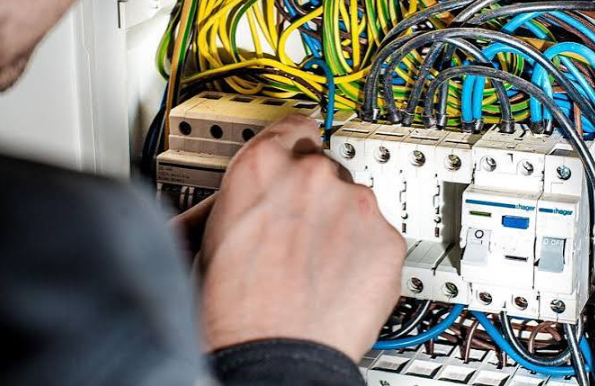
Home renovation projects often focus on improving interior design, increasing living space, and installing modern appliances. However, one important aspect that homeowners sometimes overlook is the condition of their electrical infrastructure. A properly functioning electrical system is essential for supporting household activities, maintaining safety, and accommodating new equipment.
Understanding how electrical improvements contribute to home renovations can help property owners make informed decisions, avoid unexpected problems, and prepare their homes for future electricity requirements.
Why Electrical Planning Is Important During Home Renovations
Renovation projects frequently involve changes to existing electrical circuits, outlets, lighting fixtures, and appliances.
Adding new equipment without evaluating the electrical system can create problems if the existing infrastructure cannot safely accommodate the additional demand.
Proper electrical planning offers several advantages:
- Supports the installation of modern household appliances.
- Helps identify outdated or damaged electrical components.
- Reduces the risk of overloaded circuits.
- Improves the organization of electrical connections.
- Allows homeowners to prepare for future renovations.
- Helps ensure compliance with applicable electrical requirements.
A qualified electrician can evaluate the property’s current infrastructure and recommend improvements based on the renovation plans.
Common Electrical Challenges During Property Renovations
Home improvement projects may reveal electrical problems that were not previously noticeable.
Limited Electrical Capacity
Some residential properties contain electrical systems designed for lower electricity consumption.
Installing additional appliances or equipment may increase demand beyond the capacity of the existing infrastructure.
Insufficient Circuit Availability
New rooms, kitchen appliances, and heating or cooling systems may require additional circuits.
Existing distribution equipment may not have sufficient space or capacity for these connections.
Deteriorating Electrical Wiring
Older wiring can develop damaged insulation, loose connections, or other problems that require professional attention.
Renovation work provides an opportunity to identify and correct these issues.
Outdated Protective Equipment
Some electrical installations may contain protective devices that are unsuitable for new circuits or modern electrical requirements.
Professional assessment helps determine which modifications are necessary.
How Different Renovation Projects Affect Electrical Demand
The electrical requirements of a property can change depending on the type and scope of renovation.
Kitchen Remodeling
Modern kitchens often contain electric ovens, induction cooktops, dishwashers, refrigerators, and other appliances.
Some equipment requires dedicated circuits based on electrical ratings and applicable installation requirements.
Bathroom Improvements
Bathroom renovations may include additional lighting, ventilation fans, heated flooring, and electrical outlets.
Proper ground-fault protection and suitable wiring methods are particularly important in areas exposed to moisture.
Basement Renovations
Finished basements may require new lighting circuits, outlets, heating equipment, and entertainment systems.
Professional planning helps ensure that additional electrical loads are accommodated safely.
Home Office Development
Dedicated workspaces commonly include computers, monitors, printers, networking equipment, and other electronic devices.
Suitable outlet placement and circuit arrangements support convenient and reliable operation.
Outdoor Living Improvements
Landscape lighting, outdoor kitchens, and exterior electrical outlets introduce additional installation requirements.
Outdoor electrical equipment must be suitable for environmental exposure and installed according to applicable safety standards.
When Should Homeowners Consider Replacing Electrical Equipment?
Electrical improvements should be based on the condition of existing equipment and the property’s current and future electricity requirements.
Not every renovation requires replacing the main electrical distribution equipment. Additional circuits or individual component repairs may be sufficient in certain situations.
However, an electrical panel replacement may become necessary when existing equipment is significantly deteriorated, contains incompatible components, or cannot safely accommodate the property’s calculated electrical demand.
A licensed electrician can assess the installation and determine whether complete replacement or another improvement is appropriate.
Important Steps in Planning Electrical Improvements
Careful preparation can help homeowners avoid unnecessary complications during renovation work.
Evaluate Existing Electrical Infrastructure
A professional electrician should inspect the existing distribution equipment, circuit breakers, and wiring connections.
This assessment helps identify potential safety concerns before construction begins.
Calculate Additional Electrical Loads
New appliances, heating systems, and other equipment contribute to the property’s electricity requirements.
Professional load calculations help determine whether the current infrastructure can support these additions.
Consider Future Expansion
Homeowners may eventually install electric vehicle chargers, additional cooling equipment, or other high-powered appliances.
Considering future requirements during renovation planning can reduce the need for repeated modifications.
Review Equipment Compatibility
Electrical components must be suitable for the existing installation and meet relevant manufacturer specifications.
Using incompatible equipment can create safety hazards.
Understand Permit Requirements
Certain electrical modifications require permits and inspections depending on local regulations.
Qualified electricians can help ensure the necessary requirements are addressed.
How Electrical Improvements Can Influence Property Value
A home’s electrical condition can influence how prospective buyers evaluate its safety, functionality, and maintenance requirements.
Improved Buyer Confidence
Documented professional electrical work may provide reassurance that important infrastructure has received appropriate attention.
Support for Modern Appliances
Electrical systems designed for current household requirements can make properties more convenient for modern living.
Reduced Concerns About Aging Equipment
Addressing known electrical hazards and deteriorating components may reduce concerns during property inspections.
Better Renovation Flexibility
Appropriate circuit arrangements and electrical capacity can help accommodate future property improvements.
However, electrical modernization does not guarantee an increase in resale value. The financial impact depends on the property’s condition, local housing market, project costs, and buyer preferences.
Common Mistakes Homeowners Should Avoid
Electrical renovation projects require careful planning and professional execution.
Ignoring Existing Electrical Problems
Recurring breaker trips, burning odors, and visible equipment deterioration should be investigated before new electrical loads are introduced.
Assuming Available Breaker Space Means Sufficient Capacity
Empty breaker positions do not automatically indicate that the electrical system can support additional appliances.
Professional load calculations are necessary to evaluate capacity.
Choosing Incompatible Components
Circuit breakers and other electrical equipment must be compatible with the installation.
Improper equipment selection can compromise electrical protection.
Attempting Unqualified Electrical Modifications
Electrical distribution equipment may contain energized components even after the main breaker is switched off.
Internal electrical modifications should only be performed by qualified professionals.
Essential Maintenance Practices After Renovation
Completing renovation work does not eliminate the need for electrical maintenance.
Keep Electrical Equipment Accessible
Avoid placing furniture, storage boxes, or other household materials directly in front of distribution equipment.
Adequate clearance allows professionals to perform inspections and repairs safely.
Update Circuit Labels
New or modified electrical circuits should be clearly identified.
Accurate labeling supports future troubleshooting and maintenance.
Protect Electrical Equipment From Moisture
Water intrusion can damage internal components and contribute to corrosion.
Any evidence of moisture exposure should receive professional attention.
Monitor Electrical Performance
Repeated breaker trips, flickering lights, unusual sounds, or burning odors should be investigated promptly.
Arrange Professional Inspections
Periodic assessments can help identify developing electrical problems and maintain reliable operation.
Why Qualified Electricians Are Essential for Renovation Projects
Electrical renovation work involves technical requirements that affect both household safety and equipment performance.
Licensed electricians understand electrical load calculations, circuit protection, equipment compatibility, and installation standards.
They can identify existing problems, recommend suitable solutions, and perform necessary modifications using appropriate safety procedures.
Professional electrical work also helps ensure that renovated spaces comply with applicable codes and inspection requirements.
Conclusion
Electrical planning is an essential part of successful home renovation projects. New appliances, additional living spaces, and modern household technology can introduce electrical requirements that existing infrastructure may not be designed to support.
Evaluating equipment condition, understanding electrical capacity, and arranging qualified professional services can help homeowners avoid unnecessary problems during renovations.
With appropriate planning, safe installation, and regular maintenance, residential electrical systems can support modern home improvements while maintaining reliable electricity distribution and long-term property safety.