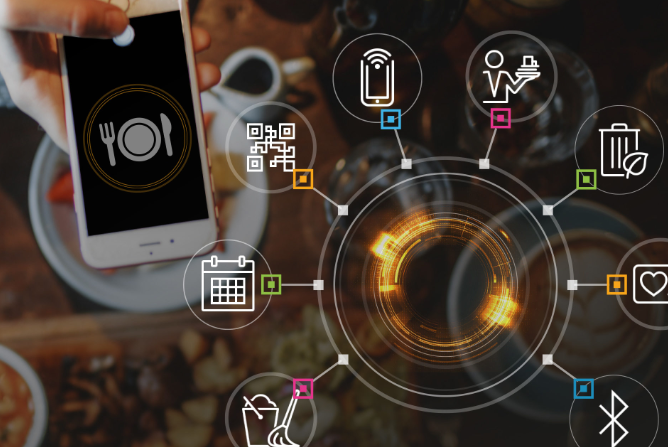
In today’s restaurant market, having a loyalty program is no longer a differentiator — not having one is a disadvantage. The question for most F&B operators is no longer whether to implement a loyalty system, but which system to choose and how to deploy it most effectively. The right technology makes the difference between a loyalty program that genuinely drives business and one that merely adds operational complexity.
What to Expect From a Modern Restaurant Loyalty System
A contemporary restaurant loyalty system goes far beyond a digital punch card. It should function as a complete customer relationship management platform, providing operators with tools for customer identification, behavior tracking, personalized communication, promotional campaign management, and detailed analytics reporting.
The best systems integrate directly with your existing ordering infrastructure — including POS, kiosk ordering, mobile app, and third-party delivery platforms — ensuring that loyalty earning and redemption is available to customers regardless of how they choose to order.
See also: Five Things People Get Wrong When They Replace a Fountain Pump
Key Capabilities to Evaluate
Customer Identification
How does the system identify customers? Options range from physical membership cards to mobile app check-ins, QR code scanning, phone number lookup, and digital wallet integration. Frictionless identification — ideally through a customer’s smartphone — drives higher participation rates.
Flexible Reward Structures
Different restaurant concepts benefit from different loyalty mechanics. A coffee shop may prioritize visit frequency rewards, while a casual dining restaurant may focus on spend-based points. Choose a system that supports the reward structure most aligned with your customer behavior goals.
Campaign Management Tools
The ability to create, schedule, and measure targeted promotional campaigns is essential. Look for systems that allow segmentation by customer tier, purchase history, location, and recency — enabling you to send the right offer to the right customer at the right time.
Real-Time Analytics
A loyalty system that doesn’t provide actionable insights is a missed opportunity. Dashboards showing program participation, redemption rates, campaign performance, and customer lifetime value should be standard features.
For restaurant groups looking to implement a sophisticated, scalable loyalty solution, exploring a specialist provider of restaurant loyalty system technology can provide clarity on what best-in-class looks like for F&B operators.
Implementation and Staff Training
Even the best loyalty technology fails without proper implementation and staff buy-in. Staff who understand the loyalty program — and can explain it clearly to customers — are essential to driving sign-ups and engagement. Training should cover how to assist customers with registration, handle redemption requests, and resolve common issues.
A phased rollout, starting with a single location or limited customer group, allows you to refine operations and messaging before a full-scale launch.
Common Pitfalls to Avoid
Over-complexity: Programs with too many tiers, complicated earning rules, or confusing redemption processes lose customer engagement quickly. Simplicity drives participation.
Insufficient reward value: If rewards feel hard to earn or of low value, customers disengage. Regularly calibrating the program’s reward generosity against participation metrics keeps the program compelling.
Lack of personalization: Sending the same generic promotion to your entire database is a waste of both marketing budget and customer attention. The loyalty system’s primary value lies in enabling personalization.
FA Qs
Q1: Should I build a proprietary loyalty app or use a third-party platform? Building proprietary is more expensive and time-consuming but gives you complete control. Third-party platforms offer faster deployment, lower cost, and proven technology — often the better choice, especially for independent operators and mid-size chains.
Q2: How do I measure whether my loyalty program is actually increasing revenue? Compare the average visit frequency and spend of loyalty members versus non-members. Also measure incremental revenue generated by targeted campaigns versus the cost of those campaigns. Lift in these metrics confirms program effectiveness.
Q3: What role does social sharing play in restaurant loyalty programs? Some loyalty platforms include social sharing rewards — points or bonuses for sharing a visit or review on social media. This can extend your marketing reach at low cost, though the quality of organic promotion tends to be higher when customers share voluntarily.
Conclusion
A well-chosen restaurant loyalty system is a long-term asset that compounds in value as your customer database grows and your understanding of customer behavior deepens. The right technology — flexible, data-driven, and deeply integrated with your operations — transforms your loyalty program from a marketing expense into a revenue growth engine. Take time to evaluate your options carefully, and choose a system built to grow with your business.