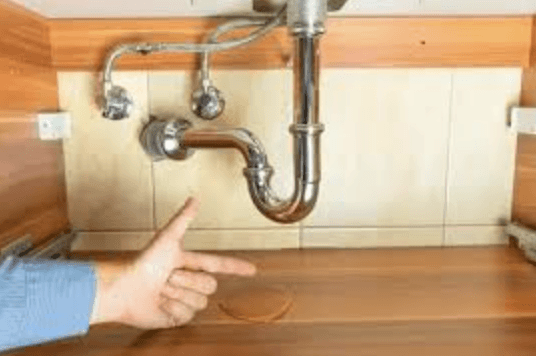
Winterizing a plumbing system begins with a risk-based assessment to identify exposed pipes, vulnerable connections, and outdoor fixtures. It requires a precise plan to insulate run paths, seal gaps, and protect water-heating components and shutoffs. The approach emphasizes weatherproofing joints, maintaining continuous insulation coverage, and preparing drains for cold weather. Indicators of potential failure will emerge as weather shifts, demanding careful monitoring and timely actions before problems arise. The task ends with a critical choice that shapes long-term reliability.
How to Identify Winterizing Priorities for Your Home Plumbing
Identifying winterizing priorities begins with a systematic assessment of exposure and risk within the home’s plumbing system. The analysis targets vulnerable components, flow paths, and potential freeze points, yielding a prioritized list. Identify winter priorities by evaluating pipe routing, insulation coverage, and outdoor fixtures. Plumbing risk assessment informs preventive actions, enabling proactive maintenance and freedom from seasonal interruptions.
Step-by-Step Guide to Insulating Pipes, Faucets, and Outdoor Fixtures
Insulating pipes, faucets, and outdoor fixtures requires a disciplined, systematic approach to minimize heat loss and prevent freeze damage.
The guide outlines insulation strategies for pipes, faucet protection measures, weatherproofing joints, and proper handling of outdoor bibs.
Methods emphasize material selection, coverage continuity, and sealing gaps.
Execution remains proactive, precise, and goal-driven to sustain system integrity during cold conditions.
See also: What Is Fear and Greed Index?
Prepare Your Water Heater, Drains, and Main Shutoff for Cold Weather
Winterizing the water heater, drains, and main shutoff involves a precise sequence to prevent damage from freezing temperatures: inspect the heater for proper venting and insulation, flush and drain the tank to remove sediment and reduce expansion risk, test and service the pressure relief valve, and ensure electrical connections and controls are secure and ready for cold conditions.
Locate the main shutoff and verify unobstructed access, then prepare a plan for rapid shutoff in case of line compromise.
winterizing electrical components, indoor humidity control.
Troubleshooting and Red Flags That Indicate You Need Professional Help
When should a homeowner call in a professional? Red flags include persistent low pressure, consistent fixture leaks, unexplained gurgling from drains, sudden freezing of exposed pipes, and repeated tripping breakers after winter changes. These issues surpass DIY risk and winterizing mistakes.
A contractor offers diagnostics, code-compliant repairs, and long-term reliability, ensuring system resilience without unnecessary exposure to costly failures or delays.
Conclusion
In conclusion, the winterizing process acts as a meticulous weatherproofing audit, a tiny fortress built around pipes, faucets, and heaters. Picture frost as a crafty saboteur, sliding down a photon-thin shaft only to discover a taped wire nest and a snug foam blanket. The result: uninterrupted flow, silent drains, and a water heater that behaves like a well-trained house cat—calm, contained, and suspicious of cold. When in doubt, call in the professionals before the icicles declare daylight savings.