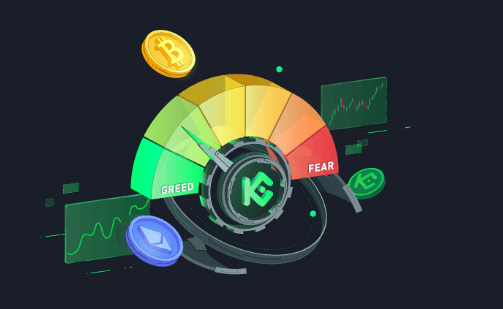
The Fear and Greed Index aggregates market signals to gauge investor sentiment. It blends price momentum, breadth, volatility, put/call ratios, and safe-haven demand into a single score. The metric aims to reflect near-term risk appetite, not to explain causes. Its construction invites scrutiny: how each component weighs on the outcome, and when the composite misreads market dynamics. For analysts, the question persists—how far can a composite ever capture real-time psychology before it falters?
What Is the Fear and Greed Index?
The Fear and Greed Index is a contrived, composite gauge designed to summarize investor sentiment by aggregating multiple market indicators. It presents a numeric readout aimed at capturing near-term psychology without prescribing causes.
The fear index often rises during downturns, while the greed index expands in rallies, signaling potential overextensions. Analysts cite momentum, volatility, and breadth as contributing drivers.
How It Is Calculated and What It Measures
The Fear and Greed Index aggregates several market signals to produce a single, interpretable gauge of near-term investor sentiment. It combines price momentum, market breadth, volatility, put/call ratios, and safe-haven demand to quantify fear and greed. The resulting score reflects market sentiment, illustrating when risk appetite or caution dominates, and guiding interpretation without normative judgment.
How Investors Use the Index in Decision Making
Investors translate the Fear and Greed Index into actionable signals by mapping its composite score to probabilistic market outcomes and risk tolerances. They use it to calibrate entry and exit timing, position sizing, and portfolio diversification.
The framework highlights risk management considerations and acknowledges behavioral bias, prompting disciplined adherence to rules when emotions might otherwise drive impulsive decisions.
Limitations, Criticisms, and When It Misleads
Is the Fear and Greed Index a reliable standalone signal, or does its usefulness hinge on context and caveats? The measure exhibits overreliance pitfalls when treated as a sole driver, risking misreading momentum or liquidity shifts. Data interpretation remains essential: cross-validate with fundamentals, volatility, and sentiment signals. Responsible use aggregates signals rather than accepting a single numeric snapshot.
See also: esaieturf
Frequently Asked Questions
Can the Fear and Greed Index Predict Exact Market Tops or Bottoms?
The fear and greed index cannot predict exact market tops or bottoms. It provides fear indicators that suggest potential turning points and informs market timing, though outcomes remain probabilistic, not deterministic, requiring additional analysis and risk management.
How Often Is the Index Updated and Historical Data Revised?
The index updates periodically, with timing limitations governing refresh cadence; historical data may undergo revisions as new information arrives, affecting prior readings. Analysts note that data revisions can alter trend interpretation and comparison across periods, complicating long-run analyses.
Does Media Coverage Impact the Index’s Readings or Signals?
Media coverage can influence readings through investor psychology, yet the Fear and Greed Index aggregates multiple indicators to mitigate short-term noise. Consequently, signals reflect broader sentiment shifts rather than single news events, preserving analytical consistency for freedom-seeking readers.
Which Sectors Show the Strongest Fear or Greed Signals Historically?
Strong market cycles favor cyclical sectors like tech, industrials, and financials, historically showing the sharpest fear or greed signals; sector rotations reflect macro timing, liquidity, and earnings cycles, with defensives trailing during peaks and leadership shifting during reversals.
How Do Personal Biases Affect Interpretation of the Index?
Personal biases shape interpretation challenges of the index, skewing perception of market signals. The analysis remains data-driven, yet individual predispositions influence weighting, event emphasis, and risk assessment, potentially misaligning conclusions with objective momentum and historical context.
Conclusion
The Fear and Greed Index aggregates market signals into a single sentiment score, reflecting near-term risk appetite. It tracks price momentum, breadth, volatility, options activity, and safe-haven demand to gauge crowd psychology. Despite its usefulness as a situational gauge, it should not replace fundamental analysis or risk controls, as sentiment can diverge from fundamentals and shift rapidly. Investors should combine it with objective data and scenario planning, lest misreads of emotion misprice risk—an anachronism in a crypto-crazed marketplace.